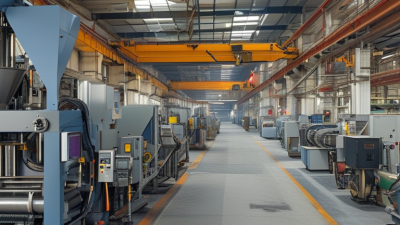

Top Screw Conveyors Manufacturers for Global Buyers
Picking the right screw conveyor manufacturer isn’t just about getting something that looks good on paper. It actually impacts how much you can move, how easy maintenance will be, safety, and what you’ll be spending over the long haul. For buyers around the world, a shiny catalog isn’t enough—they want to see proof. That means looking at real installations, testing materials, and getting solid support from engineers who really know their stuff. Oh, and it’s worth remembering—how a conveyor handles dry cement isn’t the same as handling wet fertilizer, food powders, or rough minerals. Tiny design slip-ups can lead to stuff building up, uneven feeding, or parts wearing out way too soon.
Lyn Bates, a well-known expert in bulk solids handling, often stresses something simple but crucial: “You can’t design reliable handling equipment if you don’t really understand the material.” That’s the key idea behind reviewing top manufacturers like WAMGROUP, KWS Manufacturing, Screw Conveyor Corporation, VAC-U-MAX, and Flexicon. They each bring different strengths to the table. Some specialize in heavy-duty systems, while others excel with hygienic designs, flexible setups, or integrated powder transfer solutions. So, don’t just look at capacity numbers—dig a little deeper.
Pay attention to details like how the shaft is designed, the construction of the trough, seals, drive choices, how easy it is to inspect, and whether spare parts are readily available. Ask for actual test data. Reach out for references from similar industries if you can. Keep in mind, a supplier might boast about top-notch performance, but the real results depend on moisture levels, temperature, particle size, and how long you’re running the system each day. Sometimes, buying teams rush a bit too fast here. Sure, price matters, but opting for the cheapest quote can end up costing more later because of frequent cleaning or repairs. This guide takes a look at how experienced each manufacturer is, how deep their engineering goes, customization options, support services, and whether their claims are backed up by real reliability. Also, let’s be honest—no single supplier is perfect for every application. The right choice really depends on your material, process conditions, and how much effort you’re willing to put into verifying their promises.
Read more »